Source Buddhism Copper Alloy Beaded Bracelet for Gifts
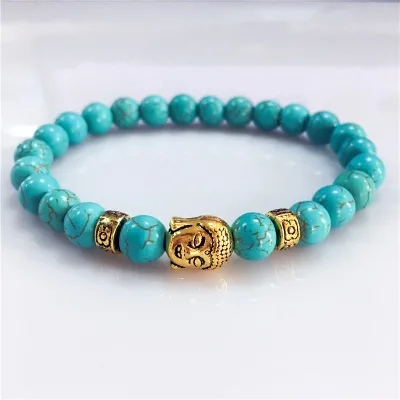
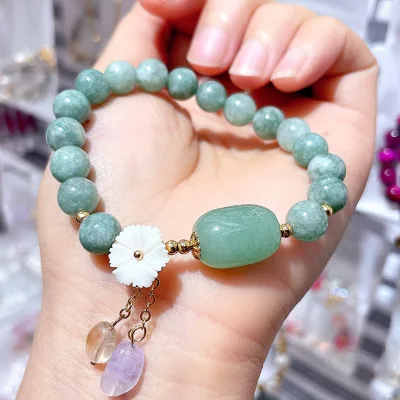
Explore 30 listings for the buddhism copper alloy beaded bracelet, featuring options in green sandalwood and crystal. Buyers can compare styles, materials, and customization availability for religious, gift, and informal occasions; compare the available evidence and request quotations based on your requirements.
Key considerations
Products List
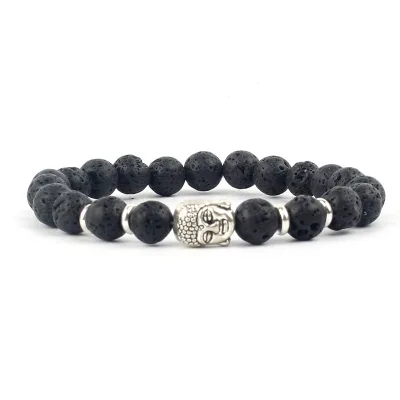
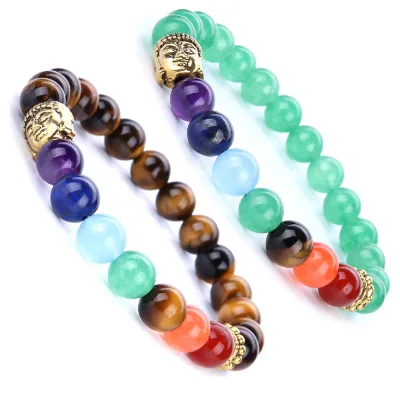
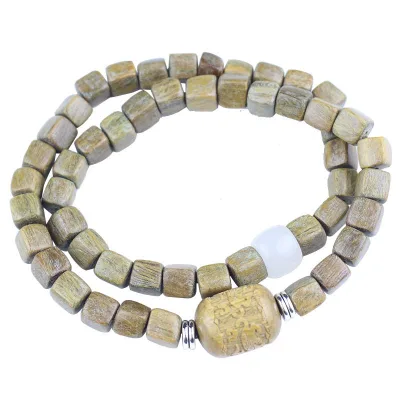
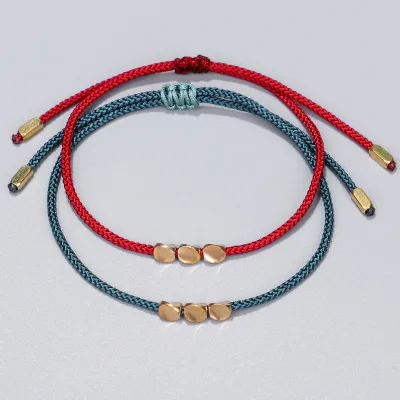



$1.00 - $8.00
Moq: 2000





Comprehensive Sourcing Guide
Buddhism Copper Alloy Beaded Bracelet Sourcing Guide
Sourcing jewelry that blends spiritual symbolism with contemporary materials requires careful attention to both aesthetic intent and material integrity. The intersection of Buddhist themes with copper alloy construction offers a unique value proposition for buyers seeking affordable yet meaningful accessories. This guide focuses on navigating the complexities of sourcing these specific items, ensuring that procurement teams can distinguish between genuine artisanal quality and mass-produced imitations. By understanding the nuances of design and material composition, buyers can align their inventory with market demands for religious and trendy accessories.
The procurement process for this category involves balancing traditional religious significance with modern manufacturing capabilities. Buyers must evaluate how copper alloy components interact with other materials, such as crystals or beads, to ensure durability and visual appeal. This guide provides a structured approach to verifying product specifications, assessing supplier reliability, and managing commercial terms. It emphasizes the importance of clear communication regarding customization options and packaging requirements, which are critical for maintaining brand consistency in the final retail presentation.
Product Scope and Observed Listing Signals
Market listings for this product category reveal a diverse range of design interpretations, often combining geometric patterns with religious motifs. Observations indicate that suppliers offer items with varying stone types, including green sandalwood and crystal, alongside copper alloy bases. The presence of specific model numbers and brand names suggests a fragmented supply chain with multiple manufacturers producing similar yet distinct items. Buyers should note that color options are frequently listed as numerical codes, requiring direct clarification to ensure accurate color matching for specific collections.
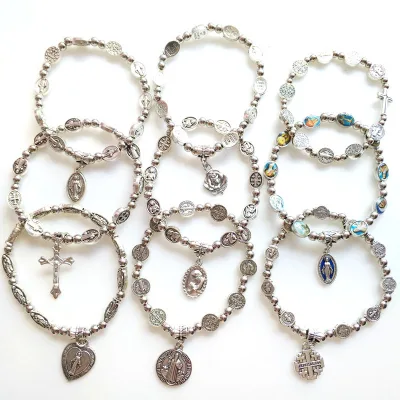
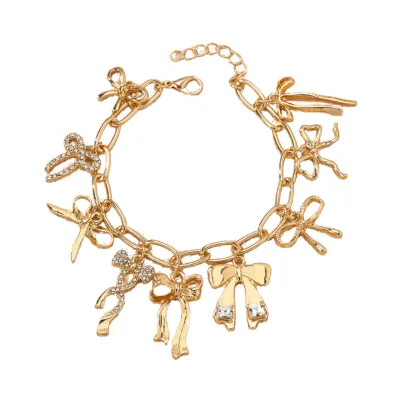
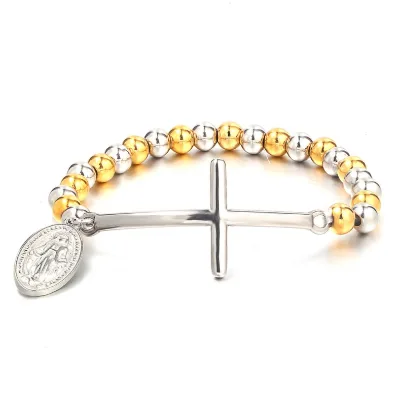
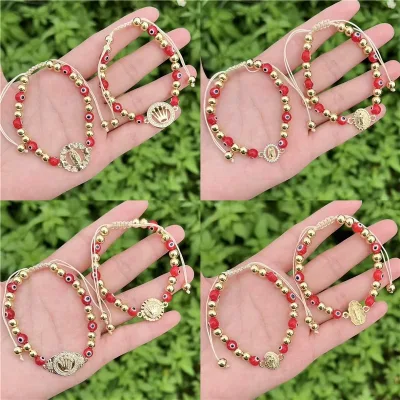
Another significant signal is the variability in bracelet types, ranging from beaded designs to cross-shaped pendants. Listings often highlight customization availability, allowing buyers to tailor products to specific religious or fashion contexts. The inclusion of terms like "trendy" and "natural" alongside "religious" indicates a broad target audience that spans both casual wearers and devout practitioners. Procurement teams must verify these attributes through direct supplier inquiry, as listing descriptions may not always reflect the final product's exact material composition or design details.
Technical Specifications to Verify
Technical verification begins with confirming the exact dimensions and weight of the finished product. Listings often provide single package sizes and gross weights, which are essential for calculating shipping costs and storage requirements. Buyers should request detailed specifications for length, noting that some items offer adjustable features while others have fixed measurements. Understanding the inlay technology, such as aperture or circling settings, is crucial for assessing the durability of the stone or crystal components against the metal base.
Material composition requires precise documentation to avoid misrepresentation. While copper alloy is a common base, the primary jewelry material may vary, including alloy, crystal, or wood. Buyers must verify the plating type and finish, as these factors influence both the aesthetic appeal and the longevity of the item. Additionally, the shape and pattern of the beads or pendants should be confirmed against design samples. Ensuring that the model number corresponds to the exact physical item prevents discrepancies between ordered specifications and delivered goods.
Compliance and Safety Documentation
Compliance with international safety standards is paramount when sourcing jewelry containing metals and stones. Buyers must ensure that suppliers provide documentation verifying the absence of harmful substances, such as lead or nickel, particularly in copper alloy components. This is especially important for products marketed as suitable for unisex or female wearers, as skin contact regulations vary by region. Procurement teams should request test reports from accredited laboratories to confirm that the materials meet relevant safety thresholds for consumer goods.
Religious and cultural sensitivity also plays a role in compliance, particularly regarding the depiction of Buddhist symbols. Buyers should verify that the designs respect cultural norms and do not infringe on intellectual property rights. Additionally, packaging materials must comply with environmental regulations in the destination market. Ensuring that the supplier adheres to these standards reduces the risk of product recalls or legal issues, protecting the buyer's brand reputation and ensuring smooth customs clearance.
Cost Drivers and Commercial Terms
Cost structures for this product category are influenced by material choices, customization levels, and order quantities. The use of copper alloy and various stones affects the base cost, while additional features like adjustable lengths or specific plating can increase pricing. Buyers should analyze the minimum order quantity (MOQ) requirements, which can range significantly depending on the supplier's production capacity. Understanding these thresholds helps in planning inventory levels and managing cash flow effectively.
Commercial terms also include packaging and shipping considerations. Listings often mention customizable packaging options, which can impact the overall cost per unit. Buyers should negotiate clear terms regarding sample costs, production lead times, and payment methods. It is essential to clarify who bears the responsibility for shipping and insurance, especially for international orders. Transparent communication about these terms prevents unexpected expenses and ensures that the final landed cost aligns with the buyer's budget projections.
Supplier Qualification and Quality Control
Supplier qualification involves assessing the manufacturer's ability to consistently produce high-quality items that meet specified requirements. Buyers should verify the supplier's experience in producing religious and trendy jewelry, checking for relevant certifications and past performance records. Quality control processes should include inspections of material quality, craftsmanship, and finishing details. Requesting pre-production samples is a critical step to evaluate the actual product before committing to a larger order.
Effective quality control also requires establishing clear acceptance criteria for defects and variations. Buyers should define acceptable tolerances for dimensions, color, and material composition. Regular communication with the supplier during the production process helps identify and address potential issues early. Implementing a robust inspection protocol, whether through third-party agencies or internal teams, ensures that the delivered goods meet the agreed-upon standards. This diligence minimizes the risk of receiving subpar products and maintains customer satisfaction.
Long-Term Procurement Checks
Long-term procurement success depends on continuous monitoring of supplier performance and market trends. Buyers should regularly review supplier reliability, including their ability to meet deadlines and maintain consistent quality. Feedback from end-users can provide valuable insights into product durability and customer satisfaction, informing future purchasing decisions. Staying informed about changes in material costs and regulatory requirements helps buyers adapt their sourcing strategies proactively.
Building a strong relationship with suppliers fosters collaboration and innovation, leading to better product offerings. Buyers should engage in periodic reviews to assess the alignment of supplier capabilities with their evolving business needs. Exploring opportunities for co-development or exclusive designs can provide a competitive advantage in the market. By maintaining a strategic approach to sourcing, buyers can ensure a steady supply of high-quality Buddhism copper alloy beaded bracelets that meet both commercial and cultural expectations.
FAQs
What materials are used for the buddhism copper alloy beaded bracelet?
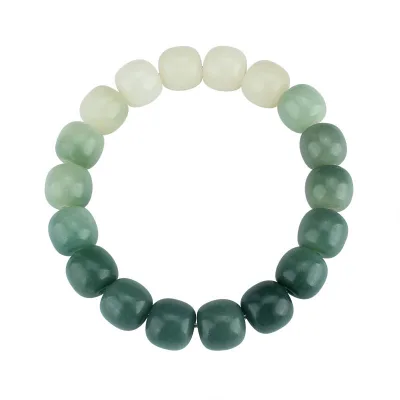
The bracelet is crafted from copper alloy and features green sandalwood as the main stone. Some variations also include crystal and alloy components. These materials ensure durability while maintaining a natural aesthetic suitable for religious occasions and daily wear.
Can I customize the length of the buddhism copper alloy beaded bracelet?
Yes, customization is available for the bracelet length. Buyers can request specific dimensions or choose from adjustable options. This flexibility allows the product to fit various wrist sizes and meet unique design requirements for gifts or personal use.
Which origin location supplies the buddhism copper alloy beaded bracelet?
The products originate from Zhejiang, China. This region is known for its manufacturing capabilities in jewelry and accessories. Buyers sourcing from this location can expect established supply chains and competitive pricing for bulk orders of these religious items.
How is the buddhism copper alloy beaded bracelet packaged for shipment?
Packaging can be customized according to customer requests. Standard single package sizes are approximately 8x8x1 cm, while batch packaging may reach 20x20x10 cm. This ensures safe transport and allows for branding or specific presentation needs for retail or wholesale.
What is the minimum order quantity for the buddhism copper alloy beaded bracelet?
The minimum order quantity ranges from 1 to 2000 units depending on the specific product variant. Some items require selling in multiples of 50, while others allow single item purchases. Buyers should verify the exact MOQ for their selected model number before ordering.
Which styles are available for the buddhism copper alloy beaded bracelet?
Available styles include trendy, religious, and natural designs. Shapes range from geometric patterns to cross motifs and faceted bracelets. These diverse styles cater to different preferences, making the bracelets suitable for informal occasions, gifts, or spiritual decoration purposes.